
troy antique city
Troy Antique City: Discovering the Legendary Ancient City
Troy, an ancient city steeped in mythology and history, has fascinated scholars, archaeologists, and enthusiasts for centuries. Located in what is now northwestern Turkey, near the Dardanelles, its story is a blend of fact and fiction, where myth meets history. This article delves into the essence of Troy, exploring its historical significance, archaeological discoveries, and the timeless tales that have made it a symbol of the quest for glory, love, and immortality.
The Mythical Background of Troy
Troy is perhaps best known for its role in Homer’s epic poem, “The Iliad,” which recounts the ten-year siege of the city by a coalition of Greek states. This legendary war was sparked by the abduction of Helen, the most beautiful woman in the world, by Paris, a prince of Troy. The conflict that ensued is a cornerstone of Greek mythology, showcasing gods and heroes such as Achilles, Hector, and Odysseus. Beyond its literary appeal, the tale of Troy serves as a cultural and spiritual touchstone, illustrating themes of honor, power, and fate that continue to resonate
Archaeological Insights into Troy
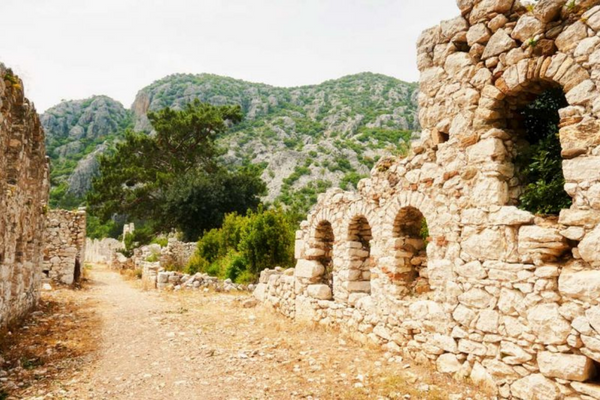
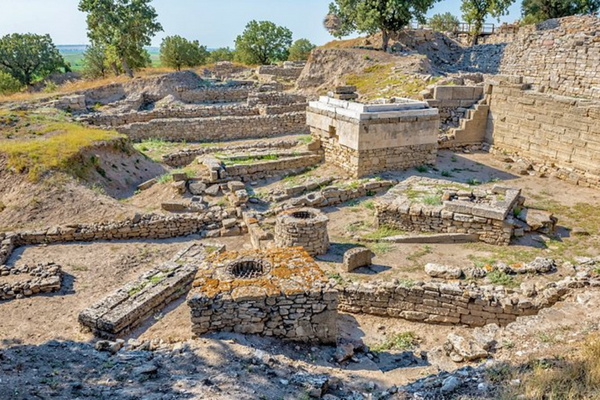
The search for the physical remnants of Troy began in earnest in the 19th century, with Heinrich Schliemann’s excavations bringing the city’s existence out of the realm of myth into reality. Subsequent archaeological efforts have uncovered several layers of habitation, dating back as far as the 3rd millennium BC. These discoveries have revealed not just one, but a succession of cities built atop each other, each contributing its own chapter to the storied past of Troy. Artifacts, including pottery, weapons, and walls, provide a glimpse into the lives of its ancient inhabitants, from their daily routines to their monumental struggles.
The Significance of Troy in Ancient Times
Troy’s strategic location at the entrance of the Dardanelles Strait made it a crucial gateway between the Aegean and Black Seas, affording it immense economic and military significance. This position not only made Troy wealthy but also a perennial target for conquest. The city’s history is a testament to its resilience, surviving through multiple sieges and rebuilds. Troy’s enduring legacy in ancient times was its role in trade, warfare, and as a center of cultural exchange, drawing influences from both the East and the West.
Exploring Troy Today
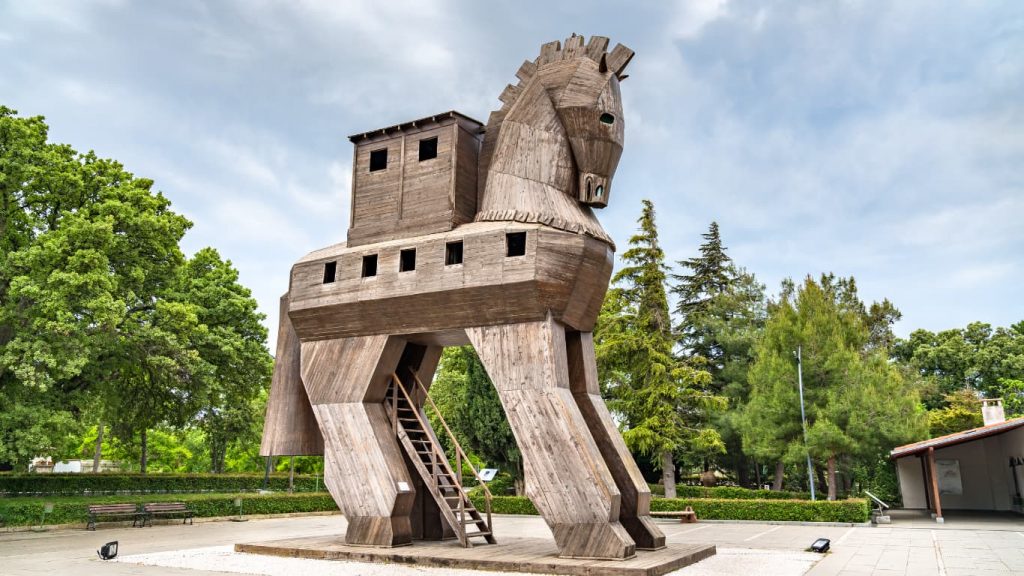
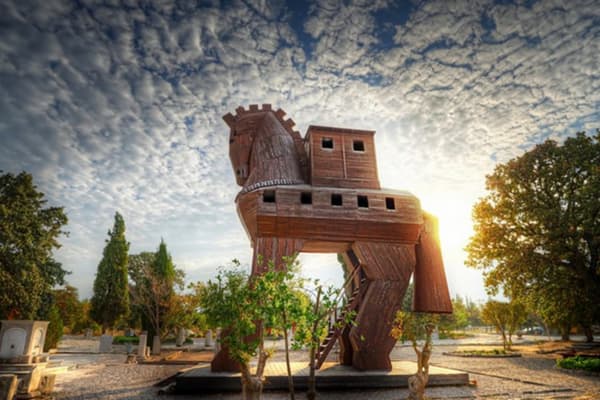
Today, the archaeological site of Troy is a UNESCO World Heritage Site, attracting visitors from around the globe. The ruins, while reflective of their former glory, offer a tangible connection to the past, allowing one to walk in the footsteps of legendary figures. The site includes reconstructed fortifications, the iconic “Trojan Horse,” and an onsite museum that houses an extensive collection of artifacts from the excavations. A visit to Troy is a journey through time, offering insights into ancient civilizations and the legendary tales that have shaped our understanding of human history.
For those intrigued by the allure of Troy and wishing to explore its ruins firsthand, daily private tours are available from Istanbul to Çanakkale. These tours provide a hassle-free, immersive experience, allowing visitors to delve into the rich history and mythology of Troy without the worry of logistics. Departing from Istanbul, the journey to Çanakkale unfolds through scenic landscapes, bridging the modern with the ancient, culminating in a guided exploration of one of history’s most captivating cities. This opportunity to witness the remnants of Troy is not just a tour but a voyage across millennia, a chance to stand where heroes stood and to see the world through their eyes.
Embarking on a tour to Troy from Istanbul offers a unique blend of adventure, education, and reflection, making it a must-do for history buffs, myth enthusiasts, and travelers seeking to connect with humanity’s shared heritage.